
Building Resilience to Climate Change for maritime facilities in Papua New Guinea
Funded by the Asian Development Bank (ADB), the Building Resilience to Climate Change in Papua New Guinea (BRCC) project supported the Government of Papua New Guinea (PNG) to achieve transformational change in addressing the current and future threats generated by climate change and related hazards. With a budget of 3 MEUR, the project aimed at targeting the following three key outputs:
-
Climate change mitigation
-
Sustainable fishery eco-systems and food security investments
-
Framework for climate resilient infrastructure
It constituted the part of the Ports Enabling Framework Consultants (PEFC) package which was intended to support the PNG Ports Corporation Limited (PNGPCL) with the development of an enabling framework to reinforce climate change interventions. In the long run, the project increased the capacity to manage climate change risks through the establishment of early warning systems, access to finance by communities, and the development of database and knowledge management systems.
Implementation
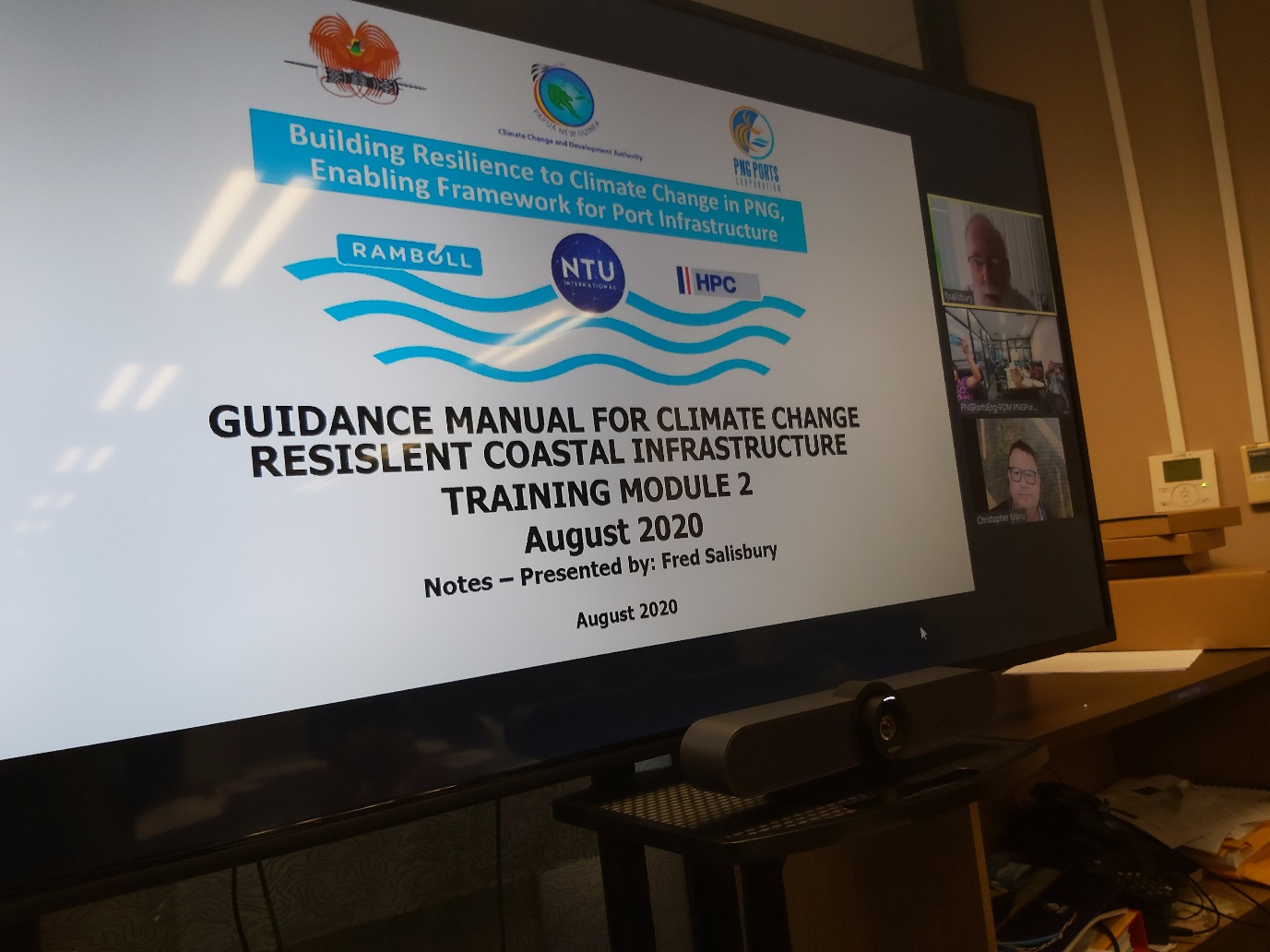
The purpose of this project was to establish appropriate engineering standards and design criteria for the planning, design, building, operation and maintenance of ports and associated infrastructure in PNG in order to accommodate the impact of climate change on infrastructure design and to ensure that maritime structures are resilient and robust enough to withstand potential damages from current and a future extreme climate change events.
In this context, NTU did the following:
-
Evaluation and upgrading of structural codes and standards;
-
Collecting existing standards and reviewing them considering extreme climate change events;
-
Analysing the vulnerability of existing standards to climate change risks;
-
Establishing minimum structural requirements and standards to accommodate the impact of climate change on maritime facilities and associated infrastructure;
-
Evaluation and revision of building codes and engineering design criteria to address climate change risks based on site-specific climate change projections.
Impact
-
Potential extreme climate change events and other relevant hazards successfully identified;
-
More accurate assessment of the vulnerability of existing design standards for permitted materials and structures carried out;
-
Modalities established to integrate climate change risk management into the day-to-day operation of PNGPL and other agencies responsible for operating and maintaining coastal assets;
-
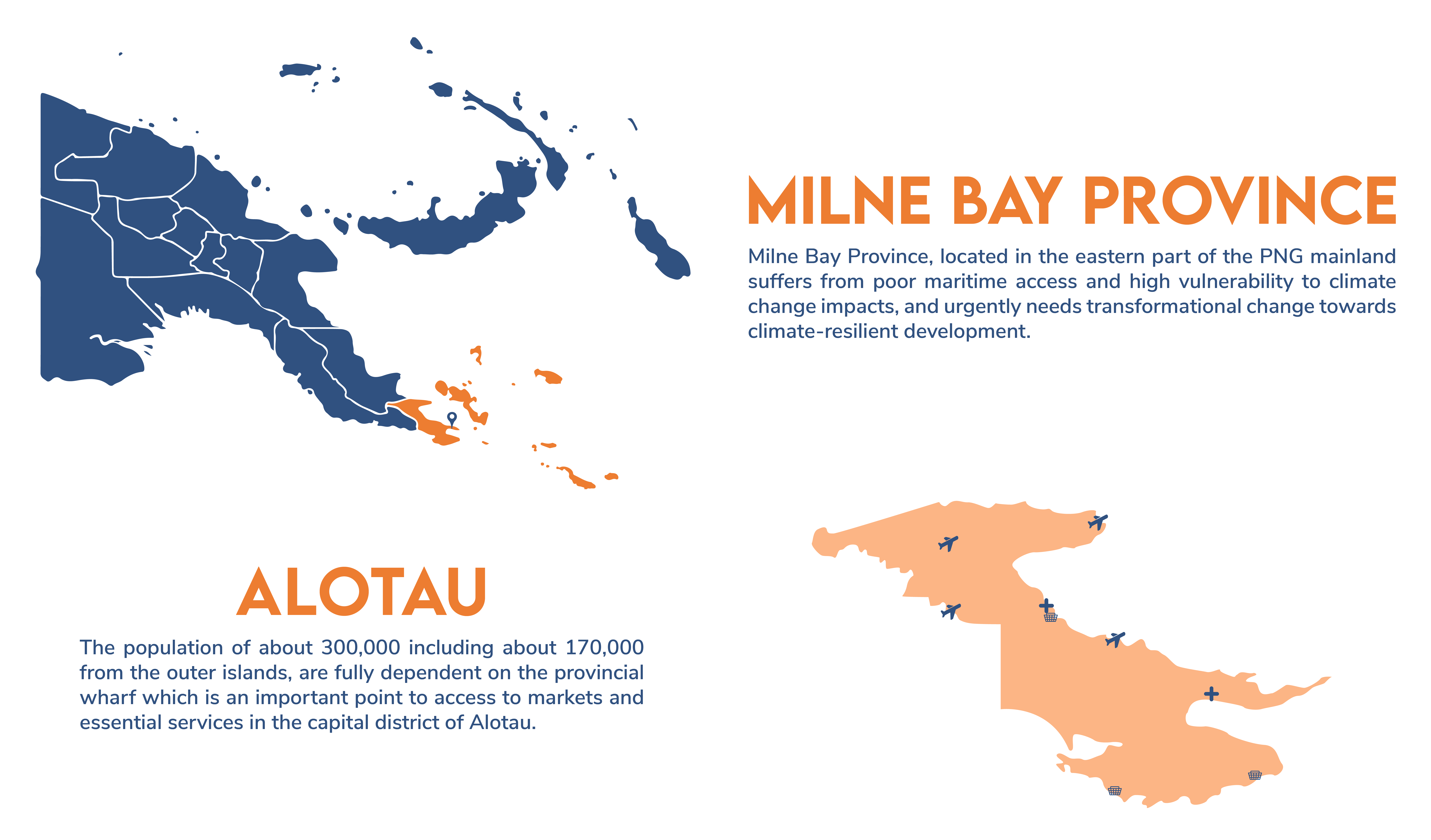
Mainstreaming climate resilience into development planning and addressing country priorities that focus on the vulnerable communities of Bougainville, East New Britain, Manus, Milne Bay and the Morobe Provinces, which comprise 21 priority islands/atolls identified through a participatory process across four sectors (infrastructure, natural resources, health, and agriculture), against the potential impacts of climate change and variability.
SDGs